
Japanese Milk Bread Recipe Make Soft Bread at Home
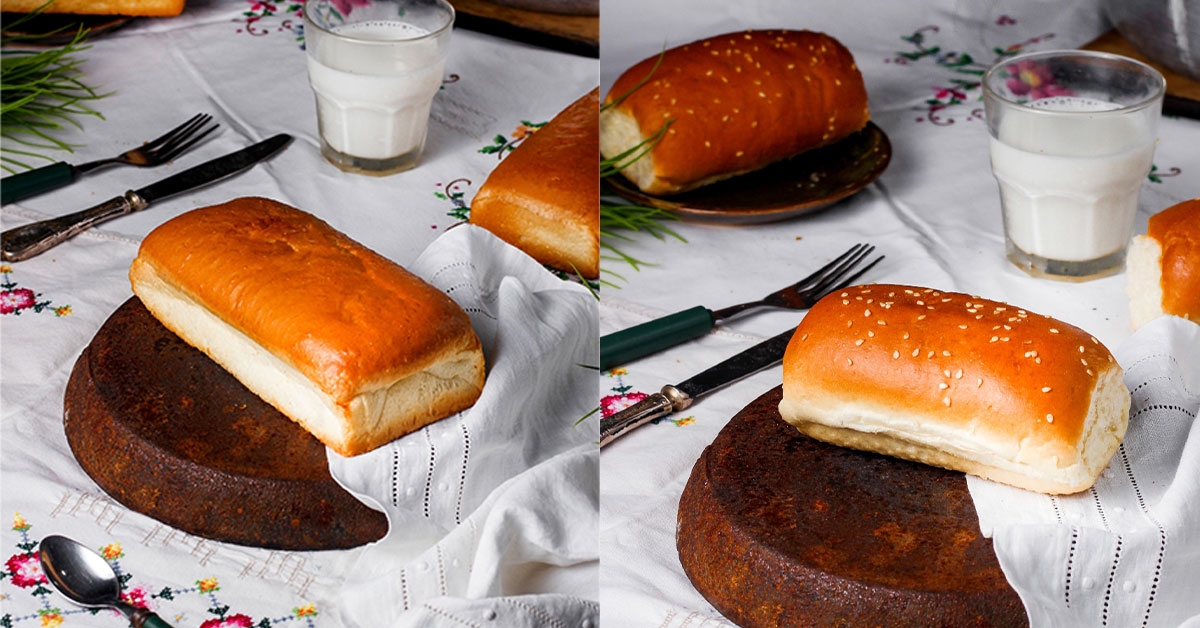
Japanese milk bread, also known as Shokupan, is a soft and fluffy bread that is loved for its light texture and rich taste.
It is different from regular bread because it uses milk instead of just water, which gives it a soft and tender crumb. The bread has a slightly sweet flavor and a smooth, fine texture that feels almost like cotton when you touch it.
One special thing about Japanese milk bread is the method used to make it. Many recipes use a technique called Tangzhong, where a small part of the flour is cooked with liquid before mixing the dough.
This simple step helps the bread stay soft for a longer time and gives it that famous airy texture.
Why I Love This Recipe
I love this recipe because it creates bread that is incredibly soft, light, and full of flavor. Every slice feels fresh and tender, making it perfect for breakfast or a quick snack. The dough is easy to work with, and the results are always satisfying.
Ingredients for Japanese Milk Bread
- All-purpose flour (3 cups / 360g): Forms the base of the bread and gives structure.
- Warm milk (1 cup / 240ml): Adds richness and helps create a soft texture.
- Sugar (1/4 cup / 50g): Brings a light sweetness and helps activate the yeast.
- Active dry yeast (2 1/4 teaspoons): Helps the dough rise and become fluffy.
- Egg (1 large): Adds moisture, color, and softness to the bread.
- Unsalted butter (3 tablespoons / 45g, softened): Makes the bread tender and rich.
- Salt (1 teaspoon): Enhances the overall flavor.
For Tangzhong (Optional but Recommended)
- All-purpose flour (2 tablespoons / 15g): Used to create the starter paste.
- Milk (1/2 cup / 120ml): Cooked with flour to form a smooth mixture.
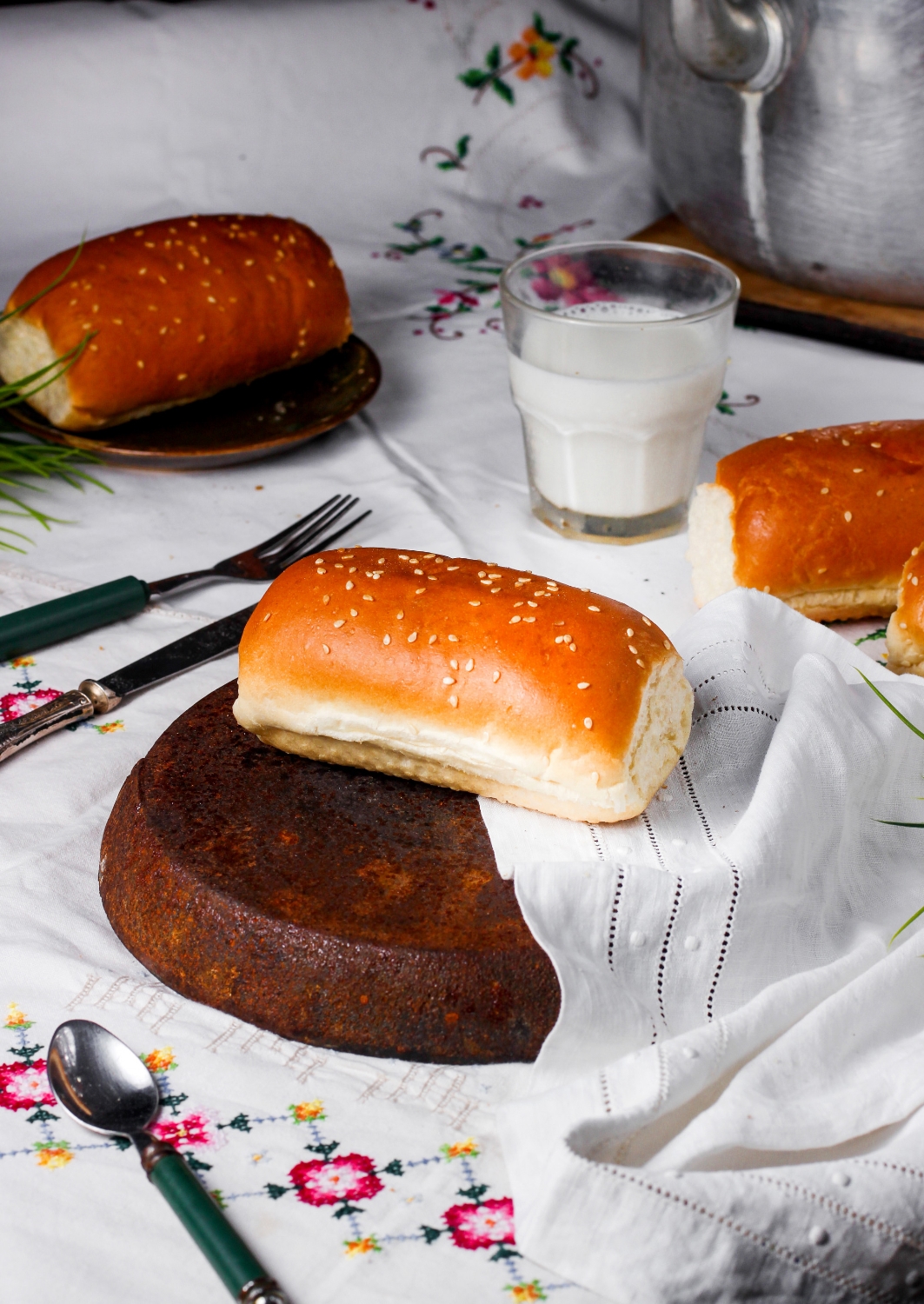
These simple ingredients work together to create a soft, light, and slightly sweet bread with a rich taste and smooth texture.
Preparation Time
- Prep Time (20 minutes): This includes measuring ingredients, mixing the dough, and preparing the tangzhong.
- First Rise (1 to 1.5 hours): The dough rests and doubles in size, helping create a soft texture.
- Shaping Time (15 minutes): Dough is divided and shaped into rolls or a loaf.
- Second Rise (45 minutes): Allows the dough to become light and airy before baking.
- Baking Time (25 to 30 minutes): Bread turns golden and fully cooked.
- Total Time (Around 2.5 to 3 hours): Includes all steps from start to finish.
How to Make Japanese Milk Bread
Prepare the Tangzhong:
In a small pan, mix flour and milk until smooth. Cook on low heat while stirring continuously until it thickens into a paste. This step helps create a soft and moist texture. Let it cool completely before using.
Activate the Yeast:
In a bowl, combine warm milk and sugar, then sprinkle the yeast on top. Let it sit for about 5–10 minutes until it becomes foamy. This shows the yeast is active and ready to use.
Mix the Dough:
In a large mixing bowl, add flour, salt, egg, prepared tangzhong, and the yeast mixture. Mix everything until it forms a rough dough. The dough may feel slightly sticky at this stage.
Knead the Dough:
Transfer the dough to a clean surface and knead for about 10–12 minutes. Add softened butter gradually while kneading. Continue until the dough becomes smooth, soft, and slightly elastic. It should stretch without tearing easily.
First Rise:
Place the dough in a lightly greased bowl and cover it. Let it rest in a warm place for about 1 to 1.5 hours or until it doubles in size. This step is important for creating a light and airy bread.
Shape the Dough:
Once risen, gently punch down the dough to release air. Divide it into equal parts and shape each portion into smooth balls or roll them into logs, depending on your loaf style.
Second Rise:
Place the shaped dough into a greased baking pan. Cover and let it rise again for about 40–45 minutes. The dough should become puffy and fill the pan nicely.
Bake the Bread:
Preheat the oven to 180°C (350°F). Bake the bread for 25–30 minutes until the top turns golden brown. If needed, cover lightly with foil to prevent over-browning.
Cool Before Serving:
Remove the bread from the oven and let it cool on a rack. This helps set the texture and makes slicing easier.
Tips for Perfect Japanese Milk Bread
Use Fresh Yeast:
Always check that your yeast is active. If it does not foam during activation, the bread may not rise properly.
Do Not Skip Tangzhong:
This simple step makes a big difference. It helps the bread stay soft, moist, and fresh for a longer time.
Measure Ingredients Carefully:
Accurate measurements help maintain the right balance. Too much flour can make the bread dense instead of soft.
Knead Until Smooth:
Take time to knead the dough well. A smooth and elastic dough creates a light and airy texture in the final bread.
Check the Windowpane Test:
Stretch a small piece of dough. If it stretches thin without breaking, it is ready. This shows proper gluten development.
Allow Enough Rising Time:
Do not rush the process. Let the dough fully rise during both stages for the best softness and volume.
Use Warm Environment:
Keep the dough in a warm place while rising. Cold areas can slow down the process and affect texture.
Avoid Over-Flouring:
Adding too much flour while kneading can make the bread dry. Keep the dough slightly soft and sticky.
Watch the Baking Time:
Bake until golden brown but do not overbake. Overbaking can dry out the bread and reduce its softness.
Cool Properly Before Cutting:
Let the bread cool before slicing. This helps keep the structure soft and prevents it from becoming gummy.
Nutrition Facts (Per Slice Approx.)
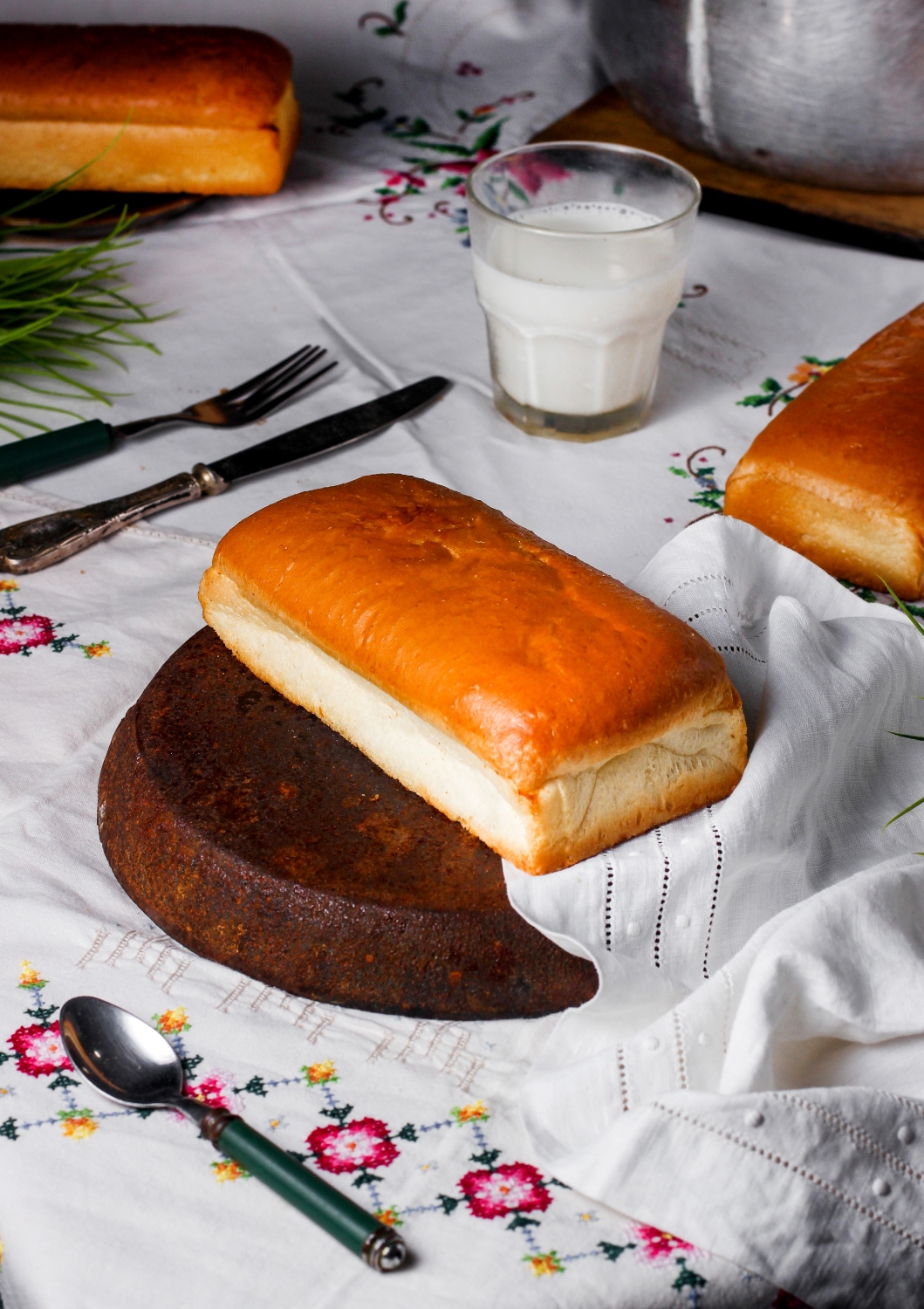
- Calories (120–150): Provides quick energy and a light feel.
- Carbohydrates (20–25g): Main source of energy in each slice.
- Protein (3–4g): Supports basic body functions.
- Fat (3–5g): Comes from butter and egg, adding richness.
- Sugar (3–5g): Gives a mild sweetness.
- Calcium (small amount): From milk, helpful for bones.
Instructions
- Follow Each Step in Order: Prepare, mix, knead, rise, shape, and bake carefully.
- Keep Dough Soft: A slightly sticky dough gives better results.
- Be Patient: Allow enough time for both rises.
- Check Before Baking: Dough should look puffy and light.
Storage Tips
- Room Temperature (2–3 days): Store in an airtight container to keep it soft.
- Refrigeration (Up to 5 days): Helps extend freshness but may reduce softness slightly.
- Freezing (Up to 1 month): Wrap slices well and store in the freezer.
- Reheating: Warm slightly before serving to bring back softness.
Common Mistakes to Avoid
- Skipping Tangzhong: Leads to less soft bread.
- Using Cold Ingredients: Slows down yeast activity.
- Under-Kneading Dough: Results in dense texture.
- Overproofing: Dough may collapse and lose shape.
- Overbaking: Makes the bread dry and hard.
FAQs About Japanese Milk Bread
- What makes Japanese milk bread so soft?
The softness comes from a special method where flour and liquid are cooked into a paste before making the dough. This helps the bread hold more moisture, giving it a light and fluffy texture that stays soft for longer. - Can I make this bread without the special paste method?
Yes, you can, but the texture will not be the same. The bread may still taste good, but it will not have the same soft and airy feel that makes this recipe special. - Can I use instant yeast instead of active dry yeast?
Yes, instant yeast works well. You can mix it directly with the dry ingredients without activating it first, which can save a little time. - Why is my dough sticky?
A slightly sticky dough is normal for this recipe. It helps create a soft texture. Avoid adding too much extra flour, as this can make the bread dense. - How do I know when the dough is fully kneaded?
The dough should feel smooth and elastic. If you stretch a small piece and it becomes thin without tearing, it is ready. - Can I make this bread without eggs?
Yes, you can replace the egg with a small amount of milk or a simple substitute, though the texture may be slightly different. - How should I store the bread to keep it fresh?
Keep it in an airtight container at room temperature for a few days. For longer storage, you can freeze it and reheat when needed. - Can I use this bread for sandwiches?
Yes, it is perfect for sandwiches because of its soft texture and mild flavor, making it easy to pair with both sweet and savory fillings.
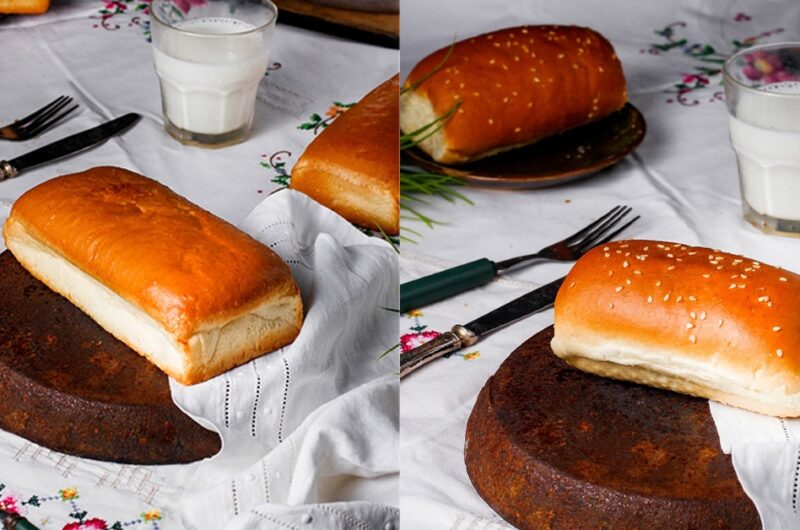
Japanese Milk Bread Recipe Make Soft Bread at Home
Course: Dinner Recipes8
servings20
minutes30
minutes150
kcalFirst Rise (1 to 1.5 hours)
Shaping Time (15 minutes)
Second Rise (45 minutes)
Baking Time (25 to 30 minutes)
Ingredients
All-purpose flour (3 cups / 360g):
Warm milk (1 cup / 240ml):
Sugar (1/4 cup / 50g):
Active dry yeast (2 1/4 teaspoons):
Egg (1 large):
Unsalted butter (3 tablespoons / 45g, softened):
Salt (1 teaspoon):
For Tangzhong (Optional but Recommended)
All-purpose flour (2 tablespoons / 15g):
Milk (1/2 cup / 120ml):
Directions
- Prepare the Tangzhong:
In a small pan, mix flour and milk until smooth. Cook on low heat while stirring continuously until it thickens into a paste. This step helps create a soft and moist texture. Let it cool completely before using. - Activate the Yeast:
In a bowl, combine warm milk and sugar, then sprinkle the yeast on top. Let it sit for about 5–10 minutes until it becomes foamy. This shows the yeast is active and ready to use. - Mix the Dough:
In a large mixing bowl, add flour, salt, egg, prepared tangzhong, and the yeast mixture. Mix everything until it forms a rough dough. The dough may feel slightly sticky at this stage. - Knead the Dough:
Transfer the dough to a clean surface and knead for about 10–12 minutes. Add softened butter gradually while kneading. Continue until the dough becomes smooth, soft, and slightly elastic. It should stretch without tearing easily. - First Rise:
Place the dough in a lightly greased bowl and cover it. Let it rest in a warm place for about 1 to 1.5 hours or until it doubles in size. This step is important for creating a light and airy bread. - Shape the Dough:
Once risen, gently punch down the dough to release air. Divide it into equal parts and shape each portion into smooth balls or roll them into logs, depending on your loaf style. - Second Rise:
Place the shaped dough into a greased baking pan. Cover and let it rise again for about 40–45 minutes. The dough should become puffy and fill the pan nicely. - Bake the Bread:
Preheat the oven to 180°C (350°F). Bake the bread for 25–30 minutes until the top turns golden brown. If needed, cover lightly with foil to prevent over-browning. - Cool Before Serving:
Remove the bread from the oven and let it cool on a rack. This helps set the texture and makes slicing easier.
Notes
- Use Fresh Yeast:
Always check that your yeast is active. If it does not foam during activation, the bread may not rise properly. - Do Not Skip Tangzhong:
This simple step makes a big difference. It helps the bread stay soft, moist, and fresh for a longer time. - Measure Ingredients Carefully:
Accurate measurements help maintain the right balance. Too much flour can make the bread dense instead of soft. - Knead Until Smooth:
Take time to knead the dough well. A smooth and elastic dough creates a light and airy texture in the final bread. - Check the Windowpane Test:
Stretch a small piece of dough. If it stretches thin without breaking, it is ready. This shows proper gluten development.
Admin