
Bottom Round Roast Recipes: Simple Oven Method
Table of Contents
-
What Is Bottom Round Roast Recipes
-
Why I Love This Recipe
-
Ingredients for Bottom Round Roast Recipes
-
Equipment You’ll Need
-
How to Make Bottom Round Roast Recipes
-
Step-by-Step Instructions
-
Tips for Perfect Bottom Round Roast Recipes
-
Common Mistakes to Avoid
What Is Bottom Round Roast Recipes
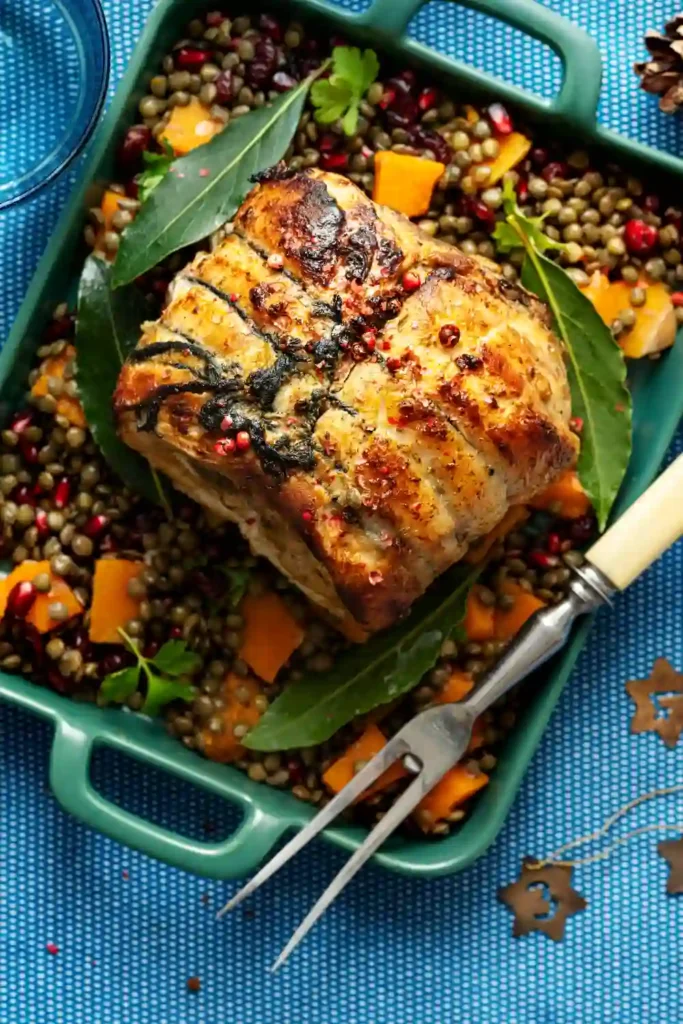
Bottom round roast recipes focus on preparing a lean, budget-friendly cut of beef that comes from the rear leg of the cow.
This cut is known for its firm texture and rich beefy flavor, but because it has less fat and marbling than premium roasts, it benefits most from careful cooking methods that enhance tenderness and moisture.
Recipes built around bottom round roast typically use slow roasting, braising, or pressure cooking to transform this tougher cut into a satisfying and flavorful main dish.
These recipes often feature simple ingredient lists with bold seasonings, herb rubs, or savory marinades that penetrate the meat during cooking.
Many home cooks prefer bottom round roast recipes because they deliver hearty, comforting meals without the higher cost of more tender cuts.
When cooked properly and sliced thinly against the grain, the roast becomes surprisingly tender and perfect for family dinners, meal prep, or special occasions.
Why I Love This Recipe
- I love this bottom round roast recipe because it turns an affordable cut of beef into a deeply satisfying, flavor-packed meal with the right technique and a little patience.
- It proves that you don’t need an expensive roast to create a memorable dinner.
- With a good seasoning blend, slow cooking, and proper slicing, this roast comes out juicy, tender, and incredibly comforting every time.
3 – Ingredients for Bottom Round Roast Recipes
- Bottom round roast (3–4 pounds) The star of the dish, this lean cut becomes tender and flavorful when cooked low and slow. Choose a roast with a uniform shape for even cooking.
- Olive oil or vegetable oil (2–3 tablespoons) Helps the seasoning stick and supports proper browning during searing.
- Salt (2 teaspoons) Essential for bringing out the natural beef flavor and improving overall taste.
- Black pepper (1–2 teaspoons) Adds gentle heat and depth to the seasoning crust.
- Garlic cloves (4–6, minced) Provides a bold, savory base note that pairs perfectly with beef.
- Onion (1 large, sliced) Adds sweetness and aroma while enriching the cooking juices.
- Beef broth or stock (2 cups) Keeps the roast moist and creates a flavorful base for gravy or sauce.
- Fresh or dried herbs Infuse the meat with earthy, aromatic character.
- Paprika (1 teaspoon) Contributes color and a mild smoky warmth.
- Carrots (3–4, chopped) Optional but excellent for added flavor and a built-in side dish.
- Potatoes (3–4, chunked) Cook alongside the roast to absorb the savory juices.
- Worcestershire sauce (1–2 tablespoons) Adds a rich, umami boost to the liquid base.
How to Make Bottom Round Roast Recipes
- Bring the roast to room temperature Remove the bottom round roast from the refrigerator 30–45 minutes before cooking so it cooks more evenly from edge to center.
- Preheat the oven Set your oven to 325°F (165°C) for steady, gentle roasting that helps keep the meat tender.
- Pat the roast dry Use paper towels to remove excess moisture so the surface browns properly during searing.
- Season generously Rub the roast with oil, salt, pepper, garlic, and herbs, making sure all sides are well coated.
- Sear the meat first Heat a heavy pan over medium-high heat and brown the roast on all sides to build deep flavor and color.
- Prepare the roasting base Add onions, vegetables, and broth to a roasting pan or Dutch oven to create a flavorful cooking environment.
- Place the roast on top Set the seared roast over the vegetables so the juices drip down while cooking.
- Roast slowly Cook uncovered or lightly covered until the internal temperature reaches your preferred doneness.
- Baste occasionally Spoon pan juices over the roast during cooking to maintain moisture.
- Rest before slicing Let the roast rest 15–20 minutes, then slice thinly against the grain for best texture.
Tips for Perfect Bottom Round Roast Recipes

Cooking a bottom round roast successfully comes down to technique, temperature control, and slicing method.
Because this cut is naturally lean, small adjustments can make a big difference in the final texture and flavor.
The first key tip is to cook it low and slow. High heat can quickly dry it out, while gentle roasting allows the connective tissues to soften gradually.
Using a meat thermometer is one of the smartest moves you can make, as it removes guesswork and helps you pull the roast at the ideal internal temperature.
Seasoning should be generous and applied in advance whenever possible.
Allowing the roast to sit with salt, spices, and herbs for a while before cooking improves flavor throughout the meat.
Searing before roasting is another important step, as it builds a rich outer crust that enhances overall taste.
Moisture is equally important. Adding broth, aromatics, or vegetables to the pan creates a flavorful environment and prevents dryness.
Basting during cooking can further protect the surface.
Step-by-Step Instructions
- Take the roast out early Remove the bottom round roast from the refrigerator about 40 minutes before cooking so it loses its chill and cooks more evenly throughout.
- Preheat your oven Set the temperature to 325°F (165°C) to ensure steady, controlled heat that supports tender results.
- Dry and trim if needed Pat the roast dry with paper towels and trim any excess surface fat or silver skin for better texture.
- Apply oil and seasoning Rub the roast with oil, salt, pepper, garlic, and herbs, pressing the seasoning firmly onto all sides.
- Heat a heavy pan Place a skillet or Dutch oven over medium-high heat until hot but not smoking.
- Sear all sides Brown the roast on every side for several minutes to develop a deep, flavorful crust.
- Build the flavor base Add sliced onions, root vegetables, and broth to the roasting vessel to form a savory cooking layer.
- Position the roast Set the seared meat on top of the vegetables so the juices drip down and enrich them.
- Roast gently Transfer to the oven and cook until the desired internal temperature is reached.
- Rest before cutting Let the roast rest at least 15 minutes, then slice thinly against the grain and serve.
Common Mistakes to Avoid
- One of the biggest mistakes when cooking a bottom round roast is using too much heat.
- This cut is naturally lean and can become tough and dry if roasted at high temperatures.
- Gentle, steady heat produces far better texture and allows the meat fibers to relax over time. Another frequent error is skipping the searing step.
- Browning the outside before roasting adds depth of flavor and improves the overall finish of the dish.
- Under-seasoning is another common problem. Because this is a dense cut, it needs a generous amount of salt, herbs, and spices to bring out its full character.
- Light seasoning often leads to a bland result, even if the cooking method is correct.
- Rushing the cooking time is equally risky. Pulling the roast too early without checking internal temperature can leave it chewy, while overcooking will dry it out.
- Many cooks also forget the importance of resting the meat after it comes out of the oven.
- Cutting immediately causes the juices to escape, leaving slices dry. Letting it rest preserves moisture and improves tenderness.
Variations and Flavor Ideas
- Bottom round roast is highly adaptable, which makes it perfect for experimenting with different flavor profiles and cooking styles.
- One excellent variation is a classic herb crust version, where the roast is coated with a blend of rosemary, thyme, garlic, and coarse mustard for a bold, aromatic finish.
- This approach pairs beautifully with roasted vegetables and a simple pan gravy.
- For a deeper, richer taste, try a slow-braised version with onions, red wine, and beef broth.
- The extended cooking time and flavorful liquid help tenderize the meat while creating a ready-made sauce.
- If you prefer something brighter, a garlic-lemon and pepper rub adds a fresh edge that balances the richness of the beef.
- You can also take inspiration from global flavors.
- A soy sauce, ginger, and brown sugar marinade creates a savory-sweet profile with great depth.
- A smoked paprika, cumin, and chili rub delivers a warm, smoky character that works well for sliced roast in wraps or bowls.
What to Serve with Bottom Round Roast
- Mashed potatoes A classic side that pairs perfectly with roast beef. The creamy texture balances the lean meat and soaks up the flavorful juices or gravy.
- Roasted vegetables Carrots, potatoes, and onions cooked alongside or separately add natural sweetness and depth to the meal. They complement the savory taste of the roast beautifully.
- Steamed green beans A light and fresh option that adds color and a slight crunch, helping to balance the richness of the dish.
- Buttered rice or pilaf Soft and simple, rice absorbs the juices from the roast and provides a mild base that lets the beef shine.
- Dinner rolls or crusty bread Perfect for serving on the side or using to soak up every bit of sauce or broth on the plate.
- Garden salad A fresh mix of lettuce, cucumbers, and tomatoes adds brightness and keeps the meal from feeling too heavy.
- Gravy or pan sauce Made from the roast drippings, this adds extra moisture and ties all the components together.
- Yorkshire pudding A traditional option that brings a soft, airy texture and works wonderfully with beef dishes.
- Coleslaw A cool and slightly tangy side that provides contrast and balance to the warm, savory roast.
Storage and Reheating Tips
- Cool the roast properly before storing Allow the bottom round roast to cool at room temperature for about 20–30 minutes after cooking. Avoid leaving it out too long, as this can affect freshness and safety. Once slightly cooled, move it to storage promptly.
- Slice or store whole based on your needs You can store the roast whole to retain more moisture or slice it for quick meals later. Keeping it whole often helps prevent it from drying out during storage.
- Use airtight containers Place the roast in airtight containers or wrap it tightly in foil or plastic wrap. This helps lock in moisture and prevents the meat from absorbing unwanted odors from the fridge.
- Store with juices or broth Adding leftover cooking juices or a bit of beef broth keeps the meat moist and flavorful while stored. This step is especially helpful for lean cuts like bottom round roast.
- Refrigeration guidelines Store the roast in the refrigerator for up to 3–4 days. Make sure it is kept at a consistent, cold temperature to maintain quality.
- Freezing for longer storage If you need to store it longer, wrap the roast tightly and place it in a freezer-safe bag or container. It can be frozen for up to 2–3 months without losing too much quality.
- Label and date your storage Always label your containers with the date so you can keep track of freshness and avoid keeping it too long.
- Reheat gently in the oven Place slices in a baking dish with a bit of broth, cover with foil, and heat at a low temperature. This method helps retain moisture and prevents the meat from becoming tough.
- Use the stovetop for quick reheating Heat slices in a pan with a little liquid over low heat. Covering the pan helps trap steam and keeps the meat tender.
- Microwave with care If using a microwave, cover the meat and add a small amount of liquid. Heat in short intervals to avoid overcooking.
- Avoid high heat during reheating High temperatures can quickly dry out the roast and make it chewy. Slow and gentle reheating works best.
- Repurpose leftovers creatively Use reheated roast in sandwiches, wraps, rice bowls, or salads. This keeps meals interesting while making the most of your leftovers.
FAQs About Bottom Round Roast
- What is the best way to cook bottom round roast?
The best method is slow cooking at a low temperature. This cut is lean, so roasting it gently in the oven or cooking it in a covered pot with broth helps break down tough fibers and keeps the meat tender. - How do I make bottom round roast tender?
Tenderness comes from a mix of proper seasoning, slow cooking, and correct slicing. Cooking with liquid, allowing enough time, and slicing thinly against the grain all help create a softer texture. - Should I sear the roast before cooking?
Yes, searing is highly recommended. It forms a rich outer crust that adds depth of flavor and improves the overall taste of the final dish. - What temperature should I cook it to?
For best results, cook until the internal temperature reaches your preferred doneness. Many people aim for medium-rare to medium to avoid dryness, but this can vary based on personal preference. - Can I cook bottom round roast in a slow cooker?
Yes, a slow cooker works very well. It allows the meat to cook gently over several hours, which helps soften the texture and build deep flavor. - Do I need to marinate the roast?
Marinating is optional but helpful. It can add extra flavor and slightly improve tenderness, especially if the roast is left to sit in the marinade for several hours or overnight. - Why is my roast tough?
This usually happens when the meat is cooked too quickly or at too high a temperature. It can also become tough if it is overcooked or sliced incorrectly. - How long should I let the roast rest?
Let it rest for at least 15–20 minutes after cooking. This allows the juices to settle inside the meat, making each slice more moist and flavorful. - Can I freeze cooked bottom round roast?
Yes, it freezes well when wrapped tightly and stored properly. Adding a bit of broth before freezing helps maintain moisture. - What are the best ways to use leftovers?
Leftover roast can be used in sandwiches, wraps, salads, or reheated with gravy. Thin slices or shredded pieces work best for quick and easy meals.
Admin