

Easy Lemon Vinaigrette Dressing Recipe at Home
Lemon vinaigrette dressing recipe is a fresh and simple way to add bright flavor to your meals.
It is made using lemon juice, olive oil, and basic seasonings that blend into a light, smooth dressing. This recipe is perfect for green salads, roasted vegetables, grilled chicken, and fish.
It comes together in minutes and tastes clean and refreshing. You can easily adjust the taste to be more tangy or mild.
Homemade lemon vinaigrette dressing adds freshness and balance to everyday dishes for families and busy home cooks everywhere today now.
What Is Lemon Vinaigrette Dressing Recipe

A lemon vinaigrette dressing recipe is a simple yet flavorful combination of fresh lemon juice, oil, and seasonings blended together to create a light, tangy dressing.
It is known for its bright citrus taste and smooth texture, making it a popular choice for enhancing salads and a wide variety of dishes.
Unlike heavy, creamy dressings, lemon vinaigrette offers a refreshing finish that allows the natural flavors of ingredients to shine.
At its core, this dressing relies on the balance between acidity and richness.
Freshly squeezed lemon juice provides a clean, zesty sharpness, while olive oil adds a silky mouthfeel and depth.
Seasonings such as salt, black pepper, and sometimes mustard or garlic help round out the flavor, creating a well-balanced and versatile dressing.
When properly mixed, these ingredients form a lightly emulsified sauce that coats ingredients evenly.
A lemon vinaigrette dressing recipe is valued not only for its taste but also for its adaptability.
It can be used on leafy green salads, drizzled over roasted vegetables, or paired with grilled meats and seafood.
Its simplicity allows for easy customization, making it suitable for everyday meals as well as special occasions.
This classic dressing remains a staple in many kitchens due to its freshness, ease of preparation, and timeless appeal.
Why I Love This Recipe
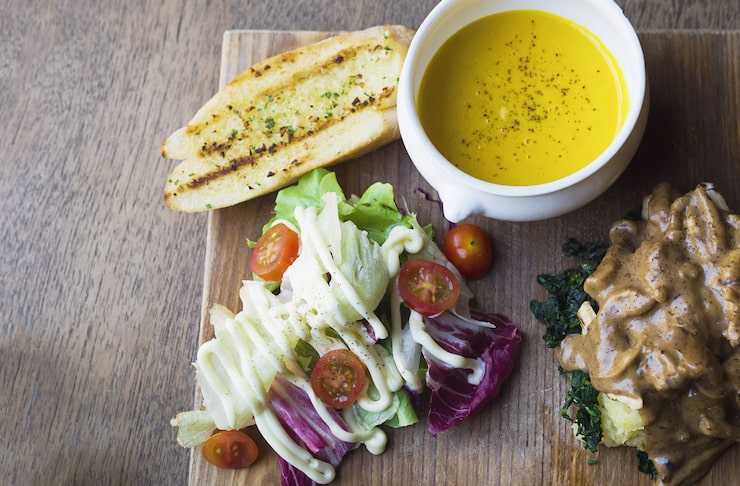
I love this lemon vinaigrette dressing recipe because it delivers incredible flavor with minimal effort. It is one of those recipes that proves simple ingredients can create something truly special.
The fresh lemon juice brings a clean, vibrant taste that instantly brightens any dish, while the olive oil adds a smooth, satisfying richness.
Together, they create a balance that feels light yet full of character.
Another reason this recipe stands out is its versatility. I can use it on a classic green salad, drizzle it over roasted vegetables, or pair it with grilled chicken or fish without ever feeling repetitive.
It adapts beautifully to different meals and occasions, making it a reliable go-to in the kitchen.
With just a few small adjustments, such as adding herbs or a touch of sweetness, it can take on a whole new personality.
I also appreciate how fresh and wholesome this dressing feels compared to store-bought options.
Making it at home allows complete control over the ingredients, ensuring a clean and authentic taste every time.
It comes together in minutes, yet the result feels thoughtful and well-crafted.
This lemon vinaigrette dressing recipe has earned a permanent place in my routine because it is simple, flexible, and consistently delicious.
Ingredients for Lemon Vinaigrette Dressing Recipe
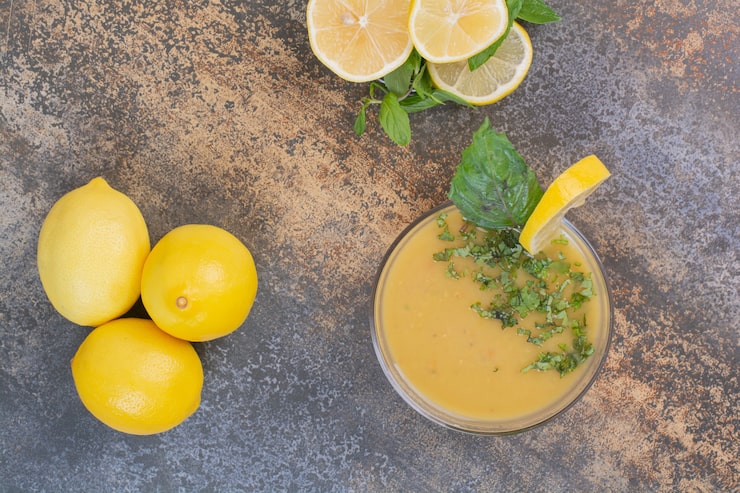
The ingredients for a lemon vinaigrette dressing recipe are simple, fresh, and easy to find, which is part of what makes this dressing so appealing.
Each ingredient plays an important role in creating a balanced and flavorful result.
Using high-quality components will noticeably enhance the final taste.
Freshly squeezed lemon juice is the foundation of this recipe. It provides a bright, tangy flavor that defines the dressing and adds a refreshing citrus note.
Olive oil is equally essential, contributing a smooth texture and a rich, slightly fruity undertone that softens the sharpness of the lemon. Extra virgin olive oil is often preferred for its clean taste and aroma.
Salt and black pepper are key seasonings that bring all the flavors together. Salt enhances the natural taste of the lemon and oil, while black pepper adds a subtle warmth and gentle bite.
Dijon mustard is a common optional ingredient that helps bind the dressing and adds depth without overpowering the citrus.
Garlic, when used sparingly, introduces a mild savory element that complements the freshness of the lemon.
Some variations include a touch of honey or maple syrup to balance the acidity, or fresh herbs for added aroma.
Together, these ingredients create a lemon vinaigrette dressing that is both versatile and consistently satisfying.
How to Make Lemon Vinaigrette Dressing Recipe
Making a lemon vinaigrette dressing recipe is quick, straightforward, and requires no special equipment.
The process focuses on properly combining the ingredients to achieve a smooth texture and balanced flavor.
With just a few steps, you can prepare a fresh dressing that enhances a wide range of dishes.
Begin by adding freshly squeezed lemon juice to a small bowl or jar. This forms the base of the dressing and provides its signature bright taste.
If you are using Dijon mustard or minced garlic, add them at this stage along with salt and black pepper.
Whisk these ingredients together until well blended, allowing the seasonings to dissolve evenly into the lemon juice.
Next, slowly add the olive oil while whisking continuously. This gradual process helps the oil and lemon juice combine smoothly, creating a lightly thickened and cohesive dressing.
Continue whisking until the mixture appears slightly creamy and evenly emulsified. If using a jar, you can also secure the lid and shake vigorously until everything is well combined.
Once mixed, taste the dressing and adjust as needed. You may add more lemon juice for brightness, more oil for smoothness, or a small amount of sweetener to balance the acidity.
When finished, the dressing should be fresh, vibrant, and ready to serve immediately or store for later use.
Tips for Perfect Lemon Vinaigrette Dressing Recipe
Creating the perfect lemon vinaigrette dressing recipe comes down to balance, technique, and ingredient quality.
A few thoughtful tips can help ensure consistent results every time.
Starting with fresh lemons is essential, as bottled juice lacks the brightness and natural aroma that define this dressing.
Rolling the lemon on the counter before juicing helps release more liquid and flavor.
Maintaining the right ratio between lemon juice and olive oil is key. Too much lemon can make the dressing overly sharp, while too much oil can dull its freshness.
Adding the oil slowly while whisking allows the ingredients to blend smoothly and creates a more cohesive texture.
Using room-temperature ingredients also helps the dressing come together more easily.
Seasoning should be done gradually. Adding salt in small amounts and tasting as you go prevents over-seasoning and helps highlight the natural flavors.
If the dressing tastes too tart, a small touch of honey or maple syrup can soften the acidity without making it sweet. Dijon mustard not only adds depth but also helps keep the dressing from separating.
Letting the dressing rest for a few minutes before serving allows the flavors to meld beautifully. A quick whisk or shake just before use refreshes the texture and ensures every bite is evenly coated.
Serving Suggestions
Lemon vinaigrette dressing is incredibly versatile, making it easy to pair with a wide range of dishes. One of the most common ways to serve it is over fresh green salads.
It works beautifully with leafy greens such as arugula, romaine, spinach, or mixed greens, adding a bright and refreshing finish without overpowering the vegetables.
Tossing it with a simple salad of cucumbers, tomatoes, and onions creates a light and satisfying side dish.
Beyond salads, this dressing pairs wonderfully with roasted vegetables.
Drizzling lemon vinaigrette over roasted asparagus, broccoli, carrots, or zucchini enhances their natural sweetness and adds a lively citrus note.
It can also be used as a finishing touch for grilled vegetables, giving them a fresh and balanced flavor.
Lemon vinaigrette dressing is an excellent complement to proteins as well. It can be spooned over grilled chicken, baked fish, or shrimp to add moisture and brightness.
It also works well as a light marinade, helping to tenderize ingredients while infusing them with flavor.
For grain-based dishes, this dressing adds freshness to quinoa bowls, couscous, or pasta salads.
Its clean taste ties ingredients together, making every dish feel lighter and more vibrant.
Storage and Shelf Life
Proper storage is essential for maintaining the freshness and flavor of lemon vinaigrette dressing. Since this dressing is made with simple, natural ingredients, handling it correctly helps preserve its taste and texture.
Once prepared, it should be transferred to a clean, airtight container, such as a glass jar or sealed bottle.
This prevents unwanted odors from affecting the flavor and keeps the dressing fresh for longer.
When stored in the refrigerator, lemon vinaigrette dressing typically stays fresh for up to five to seven days.
The acidity of the lemon juice helps slow spoilage, while the olive oil maintains the dressing’s smooth consistency.
Over time, separation is completely normal, as oil and lemon juice naturally settle apart. A quick shake or whisk before serving will restore its original texture.
It is best to keep the dressing refrigerated when not in use, especially if it contains garlic, mustard, or sweeteners.
Allowing it to sit at room temperature for extended periods can affect both flavor and quality. Before using stored dressing, always check for any unusual smell or change in appearance.
For best results, prepare smaller batches that can be used within a few days. This ensures the dressing remains bright, fresh, and flavorful every time it is served.
Frequently Asked Questions
Many people have questions when preparing or using lemon vinaigrette dressing, especially if they are making it for the first time. One common question is whether bottled lemon juice can be used instead of fresh.
While bottled juice is convenient, fresh lemon juice provides a brighter, cleaner flavor that significantly improves the overall taste of the dressing.
Another frequently asked question is why the dressing separates after sitting.
This is completely normal, as oil and lemon juice naturally separate over time. A quick shake or whisk before serving will bring the dressing back together without affecting its quality.
Some also wonder if mustard is necessary. Mustard is optional, but it helps create a smoother texture and adds subtle depth to the flavor.
People often ask how to adjust the taste if the dressing feels too sharp.
Adding a small amount of olive oil or a touch of honey can help balance the acidity. On the other hand, more lemon juice can be added if a brighter taste is desired.
Questions about dietary preferences also come up. This dressing is naturally suitable for many eating styles and can be easily customized by adjusting ingredients.
Lastly, many ask if lemon vinaigrette can be used beyond salads.
The answer is yes. It works well as a marinade, finishing drizzle, or light sauce for vegetables, grains, and proteins.
Nutrition Information
Lemon vinaigrette dressing offers a light and flavorful option that fits well into a balanced eating routine.
Its nutritional value comes primarily from simple, wholesome ingredients that provide both taste and functional benefits.
Olive oil, one of the main components, contains beneficial fats that support overall wellness and contribute to a satisfying texture.
These fats also help the body absorb certain nutrients from vegetables when the dressing is used on salads.
Fresh lemon juice adds more than just flavor.
It provides a natural source of vitamin C, which supports the immune system and adds a refreshing quality to the dressing.
Because lemon vinaigrette does not rely on heavy cream or processed additives, it tends to be lower in calories compared to thicker dressings.
This makes it a popular choice for those who prefer lighter meals without sacrificing flavor.
The overall nutritional profile can vary depending on ingredient ratios and optional additions.
Using less oil creates a sharper, lower-calorie dressing, while adding sweeteners or extra oil increases richness and energy content.
Salt levels can also be adjusted to suit individual preferences.
When used in moderation, lemon vinaigrette dressing complements nutrient-rich foods such as leafy greens, vegetables, and lean proteins.
Its simple composition allows it to enhance meals while keeping flavors clean, fresh, and well balanced.
Variations and Substitutions
One of the strengths of a lemon vinaigrette dressing recipe is how easily it can be adapted to suit different tastes and ingredients.
Small changes can create new flavor profiles while keeping the dressing fresh and balanced.
For a softer, slightly sweeter taste, honey or maple syrup can be added to mellow the sharpness of the lemon.
This variation pairs especially well with bitter greens or roasted vegetables.
For those who enjoy bold flavors, adding minced garlic or shallots introduces a savory depth.
Fresh herbs such as basil, parsley, dill, or thyme can also be mixed in to add aroma and complexity.
Each herb brings its own character, allowing the dressing to complement a wide variety of dishes.
Swapping lemon juice with lime juice creates a brighter, slightly more tropical variation that works well with seafood and grain bowls.
Olive oil can be substituted with other oils depending on preference.
Avocado oil offers a neutral flavor and smooth texture, while walnut oil adds a subtle nuttiness.
For a creamier texture without dairy, a small amount of tahini or blended avocado can be incorporated.
Mustard is optional and can be replaced with a small splash of vinegar for added tang.
These variations and substitutions make lemon vinaigrette dressing flexible, ensuring it can be tailored to different meals, seasons, and personal preferences while maintaining its fresh and vibrant appeal.
Admin