Spring Pasta Recipe – Light and Flavorful Meal Guide
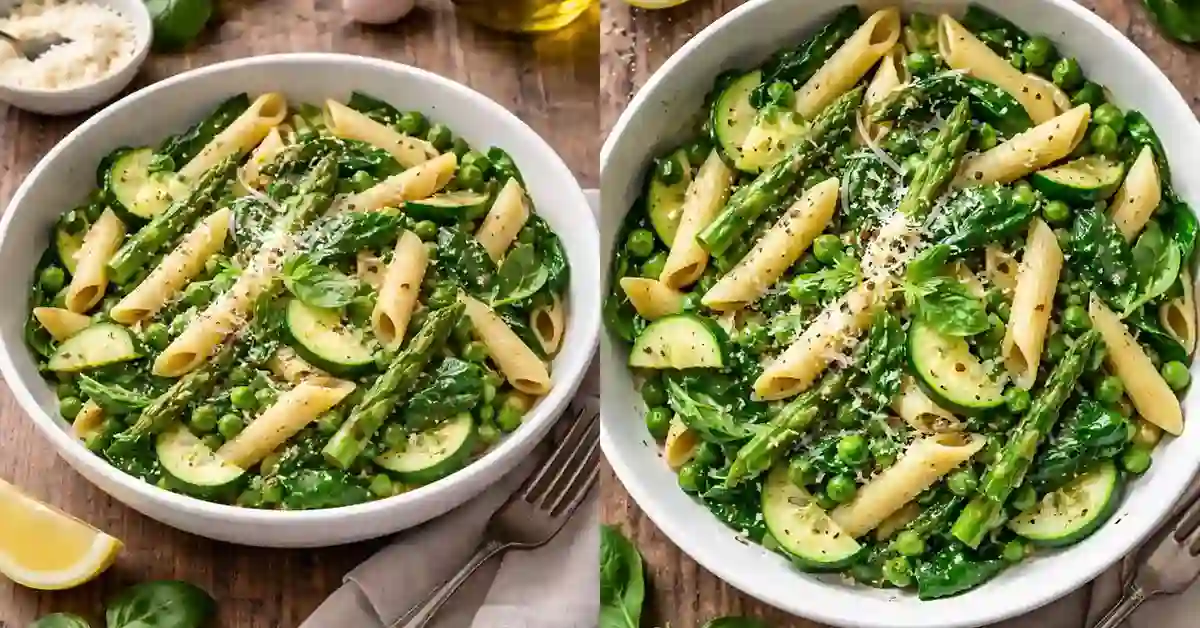
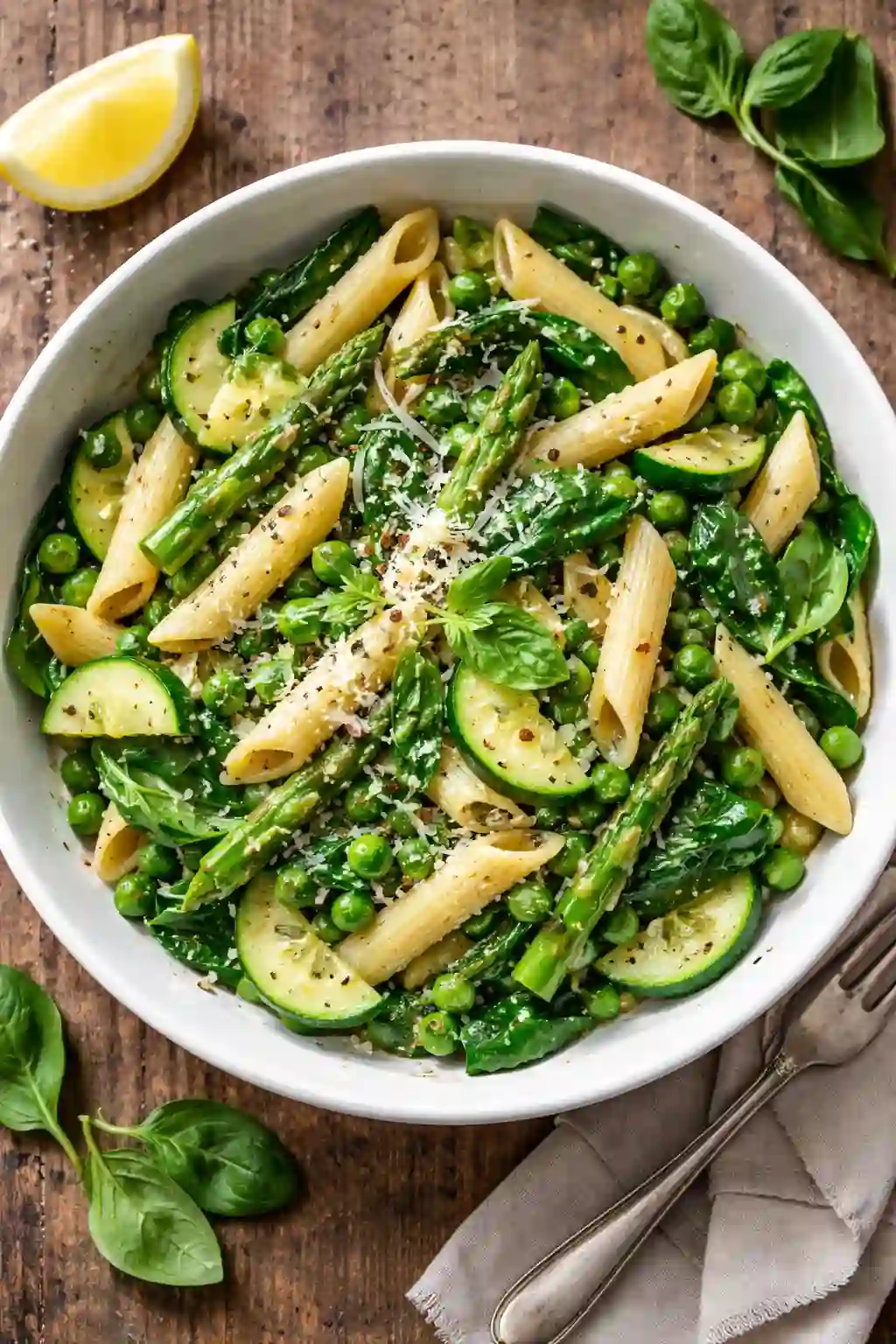
A spring pasta recipe is a light and fresh pasta dish made with seasonal vegetables that are easy to find during the spring months.
It focuses on simple ingredients like asparagus, peas, spinach, and fresh herbs that bring bright flavors and natural color to the plate.
Unlike heavy pasta dishes, this recipe uses light sauces such as olive oil, lemon juice, or a small amount of cream to keep the meal soft and easy to enjoy.
This type of pasta is all about balance. You get the comfort of pasta while still enjoying the freshness of vegetables.
Many people love it because it feels healthy but still tastes rich and satisfying. The mix of soft pasta and crisp vegetables creates a perfect texture that is not too heavy.
Why I Love This Recipe
I love this recipe because it is light, fresh, and full of natural flavor. It is quick to make and does not feel heavy after eating.
The mix of colorful vegetables and soft pasta makes every bite enjoyable. It is perfect for busy days when I want something simple, healthy, and comforting at the same time.

Ingredients for Spring Pasta Recipe
- Pasta – 250 grams
You can use penne, spaghetti, or any pasta you like. It forms the base of the dish. - Asparagus – 1 cup (cut into small pieces)
Adds a fresh and slightly crunchy texture. - Green peas – 1 cup
Bring natural sweetness and bright color. - Spinach – 2 cups (fresh)
Gives a soft texture and boosts the freshness of the dish. - Zucchini – 1 medium (sliced thin)
Adds a mild flavor and blends well with other vegetables. - Olive oil – 2 tablespoons
Used for cooking and adds a light, smooth taste. - Garlic – 3 cloves (chopped)
Gives a rich and warm flavor to the pasta. - Lemon juice – 2 tablespoons
Adds a fresh and slightly tangy taste. - Parmesan cheese – ½ cup (grated)
Brings a creamy and salty finish. - Salt – 1 teaspoon (or to taste)
Enhances all the flavors. - Black pepper – ½ teaspoon
Adds a mild spice. - Fresh herbs (basil or parsley) – 2 tablespoons (chopped)
Gives a fresh aroma and final touch.
Preparation Time
- Prep Time – 10 minutes
Wash and cut all vegetables like asparagus, zucchini, and spinach. Chop garlic and herbs to get everything ready before cooking. - Cooking Time – 15 minutes
Boil the pasta, cook the vegetables, and mix everything together with simple seasonings. - Total Time – 25 minutes
This quick and easy recipe is perfect for a fresh meal without spending too much time in the kitchen.
How to Make Spring Pasta Recipe
- Boil the pasta
Start by bringing a large pot of water to a boil. Add a pinch of salt to the water, then add 250 grams of pasta. Cook according to the package instructions until the pasta is soft but still slightly firm. This texture helps the pasta hold the sauce better. Once done, drain the pasta and keep aside. Save about half a cup of pasta water for later use. - Prepare the vegetables
While the pasta is cooking, wash and cut all your vegetables. Slice the zucchini thin, trim and cut the asparagus into small pieces, and rinse the spinach well. Keep everything ready so cooking becomes quick and smooth. - Cook the garlic and base flavors
Heat 2 tablespoons of olive oil in a large pan over medium heat. Add the chopped garlic and cook for about one minute until it becomes light golden and gives a nice aroma. Be careful not to burn it, as this can affect the taste. - Add and cook the vegetables
Add the asparagus and zucchini to the pan first. Cook for 3 to 4 minutes until they start to soften but still keep a slight crunch. Then add the green peas and cook for another 2 minutes. Finally, add the spinach and let it cook until it wilts down. This step keeps the vegetables fresh and colorful. - Combine pasta and vegetables
Add the cooked pasta to the pan with the vegetables. Mix everything gently so the pasta and vegetables are evenly combined. If the mixture looks a bit dry, add a small amount of the saved pasta water to make it smooth. - Add flavor and seasoning
Pour in 2 tablespoons of lemon juice, then add salt and black pepper according to your taste. Mix well so all the flavors blend nicely. The lemon juice adds a fresh and light taste that makes the dish special. - Finish with cheese and herbs
Turn off the heat and sprinkle grated parmesan cheese over the pasta. Add freshly chopped herbs like basil or parsley. Toss everything gently one last time. - Serve warm
Serve the pasta while it is warm. You can add a little extra cheese or herbs on top for more flavor.
Tips for Perfect Spring Pasta Recipe
- Use fresh and seasonal vegetables
Always choose fresh vegetables like asparagus, peas, spinach, and zucchini. Fresh ingredients bring better taste, color, and texture to the dish. Avoid using old or overcooked vegetables, as they can make the pasta feel dull and heavy. - Do not overcook the pasta
Cook the pasta until it is just tender but still slightly firm. This helps it hold its shape and mix well with the vegetables. Overcooked pasta can become soft and sticky, which affects the overall texture. - Salt the pasta water properly
Adding salt to boiling water is very important. It gives the pasta a base flavor from the inside, making the final dish more balanced and tasty. - Cook vegetables lightly
Keep the vegetables slightly crisp instead of cooking them too much. This keeps their natural flavor and bright color. Light cooking also helps maintain nutrients and gives a fresh feel to the dish. - Use pasta water wisely
Save some pasta water before draining. Adding a small amount while mixing helps create a smooth and light coating without making the dish heavy. - Balance the flavors
The key to a good spring pasta is balance. Use lemon juice for freshness, olive oil for smoothness, and cheese for a rich finish. Make sure no single flavor is too strong. - Add cheese at the right time
Always add parmesan cheese after turning off the heat. This helps it melt gently and blend well without becoming clumpy. - Do not skip fresh herbs
Fresh herbs like basil or parsley give a clean and natural aroma. They make the dish feel bright and complete. - Serve immediately
Spring pasta tastes best when served warm and fresh. Letting it sit too long can make it dry and less flavorful. - Adjust to your taste
Feel free to change ingredients based on your liking. You can add more vegetables or reduce cheese to make it lighter. This flexibility makes the recipe easy and enjoyable.
Variations (Optional but Helpful)
- Add protein for a fuller meal
You can add grilled chicken, shrimp, or even tofu to make the dish more filling. It turns a simple pasta into a complete meal. - Make it creamy
If you prefer a richer taste, add a small amount of cream or cream cheese. This gives a smooth texture while still keeping it light. - Try a vegan version
Skip the cheese and use plant-based options. You can also add nuts like cashews for extra flavor and texture. - Use different vegetables
You can switch vegetables based on what you have. Broccoli, bell peppers, or mushrooms work well too.
Serving Suggestions
- Serve with a light salad
A fresh green salad pairs well and keeps the meal balanced and refreshing. - Add a slice of bread
Garlic bread or simple toasted bread makes the meal more satisfying. - Top with extra cheese and herbs
A small sprinkle of parmesan and fresh herbs right before serving adds extra flavor and looks appealing. - Pair with a fresh drink
Lemon water or a light juice complements the fresh taste of the pasta.
Nutrition Facts
- Calories – Around 350 to 400 per serving
- Protein – 10 to 15 grams
- Carbohydrates – 50 to 55 grams
- Fats – 10 to 12 grams
- Fiber – 5 to 7 grams
These values can change based on the ingredients you use, especially if you add cream, cheese, or protein.
Storage and Reheating Tips
- Store properly
Place leftover pasta in an airtight container and keep it in the fridge for up to 2 days. - Reheat gently
Warm it in a pan over low heat. Add a small splash of water or olive oil to keep it from drying out. - Avoid overheating
Too much heat can make the pasta soft and the vegetables lose their texture. - Do not freeze
This dish is best enjoyed fresh, as freezing can affect the texture of the vegetables.
Instructions
- Boil water and cook pasta
Fill a large pot with water and bring it to a boil. Add salt, then cook the pasta until it is tender but still firm. Drain and set aside, keeping a little pasta water. - Prepare all ingredients
Wash and cut vegetables like asparagus, zucchini, and spinach. Chop garlic and fresh herbs so everything is ready before cooking. - Heat oil and cook garlic
In a large pan, heat olive oil on medium heat. Add chopped garlic and cook until it becomes light golden and fragrant. - Cook the vegetables
Add asparagus and zucchini first, then peas. Cook for a few minutes, keeping them slightly crisp. Add spinach at the end and cook until soft. - Mix pasta and vegetables
Add cooked pasta into the pan. Mix gently and add a little pasta water if needed for a smooth texture. - Season and finish
Add lemon juice, salt, and black pepper. Turn off the heat, then mix in cheese and fresh herbs. Serve warm for the best taste.
FAQs
1. What vegetables are best for spring pasta?
Fresh and light vegetables work best for this dish. Common choices include asparagus, peas, spinach, and zucchini. These vegetables add bright color, natural flavor, and a soft crunch. You can also use broccoli, green beans, or bell peppers based on your preference. The key is to use vegetables that cook quickly and keep their freshness.
2. Can I make spring pasta ahead of time?
Yes, you can prepare it ahead, but it tastes best when fresh. If needed, you can cook the pasta and vegetables earlier and store them separately. When ready to eat, reheat gently and mix everything together. Adding a little olive oil or water while reheating helps keep the texture smooth.
3. Is spring pasta healthy?
Spring pasta is generally a light and balanced meal. It includes fresh vegetables, simple seasonings, and moderate amounts of oil and cheese. You can make it even healthier by using whole wheat pasta or reducing the cheese. It is a good option for those who want a fresh and satisfying dish.
4. Can I make this recipe without cheese?
Yes, you can easily skip the cheese if you want a lighter or dairy-free version. The dish will still taste fresh and flavorful because of the vegetables, garlic, and lemon juice. You can also add nuts or plant-based toppings for extra texture.
5. What type of pasta works best?
You can use any pasta you like, such as penne, spaghetti, or fusilli. Short pasta shapes are often easier to mix with vegetables, while long pasta gives a more classic feel. Choose what you enjoy most.
6. How do I keep vegetables from becoming too soft?
Cook the vegetables for a short time on medium heat and avoid overcooking. They should be slightly tender but still crisp. This helps maintain both texture and flavor.
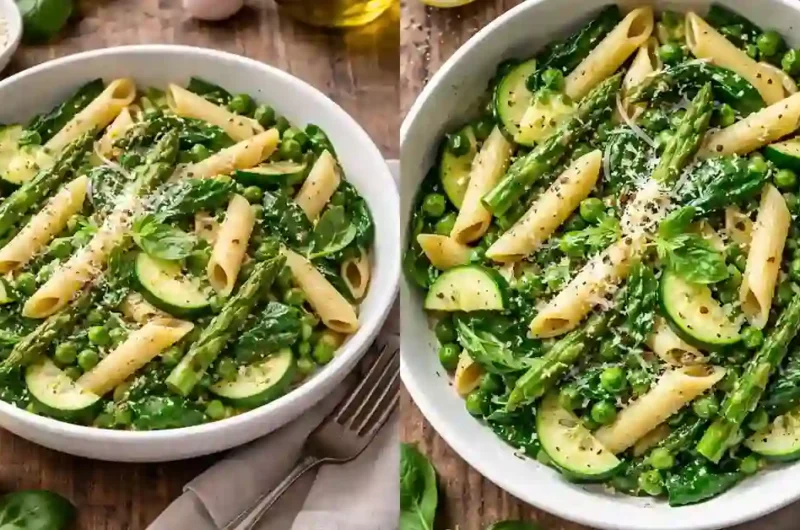
Spring Pasta Recipe – Light and Flavorful Meal Guide
4
servings10
minutes15
minutes400
kcalIngredients
Pasta – 250 grams
Asparagus – 1 cup (cut into small pieces)
Green peas – 1 cup
Spinach – 2 cups (fresh)
Zucchini – 1 medium (sliced thin)
Olive oil – 2 tablespoons
Garlic – 3 cloves (chopped)
Lemon juice – 2 tablespoons
Parmesan cheese – ½ cup (grated)
Salt – 1 teaspoon (or to taste)
Black pepper – ½ teaspoon
Fresh herbs (basil or parsley) – 2 tablespoons (chopped)
Directions
- Boil the pasta
Start by bringing a large pot of water to a boil. Add a pinch of salt to the water, then add 250 grams of pasta. Cook according to the package instructions until the pasta is soft but still slightly firm. This texture helps the pasta hold the sauce better. Once done, drain the pasta and keep aside. Save about half a cup of pasta water for later use. - Prepare the vegetables
While the pasta is cooking, wash and cut all your vegetables. Slice the zucchini thin, trim and cut the asparagus into small pieces, and rinse the spinach well. Keep everything ready so cooking becomes quick and smooth. - Cook the garlic and base flavors
Heat 2 tablespoons of olive oil in a large pan over medium heat. Add the chopped garlic and cook for about one minute until it becomes light golden and gives a nice aroma. Be careful not to burn it, as this can affect the taste. - Add and cook the vegetables
Add the asparagus and zucchini to the pan first. Cook for 3 to 4 minutes until they start to soften but still keep a slight crunch. Then add the green peas and cook for another 2 minutes. Finally, add the spinach and let it cook until it wilts down. This step keeps the vegetables fresh and colorful. - Combine pasta and vegetables
Add the cooked pasta to the pan with the vegetables. Mix everything gently so the pasta and vegetables are evenly combined. If the mixture looks a bit dry, add a small amount of the saved pasta water to make it smooth. - Add flavor and seasoning
Pour in 2 tablespoons of lemon juice, then add salt and black pepper according to your taste. Mix well so all the flavors blend nicely. The lemon juice adds a fresh and light taste that makes the dish special. - Finish with cheese and herbs
Turn off the heat and sprinkle grated parmesan cheese over the pasta. Add freshly chopped herbs like basil or parsley. Toss everything gently one last time. - Serve warm
Serve the pasta while it is warm. You can add a little extra cheese or herbs on top for more flavor.
Notes
- Use fresh and seasonal vegetables
Always choose fresh vegetables like asparagus, peas, spinach, and zucchini. Fresh ingredients bring better taste, color, and texture to the dish. Avoid using old or overcooked vegetables, as they can make the pasta feel dull and heavy. - Cook vegetables lightly
Keep the vegetables slightly crisp instead of cooking them too much. This keeps their natural flavor and bright color. Light cooking also helps maintain nutrients and gives a fresh feel to the dish. - Do not skip fresh herbs
Fresh herbs like basil or parsley give a clean and natural aroma. They make the dish feel bright and complete. - Adjust to your taste
Feel free to change ingredients based on your liking. You can add more vegetables or reduce cheese to make it lighter. This flexibility makes the recipe easy and enjoyable. - Serve immediately
Spring pasta tastes best when served warm and fresh. Letting it sit too long can make it dry and less flavorful.
Admin