Flat bread recipes | Soft, Easy, Homemade Bread Guide
What Is Flat Bread Recipes
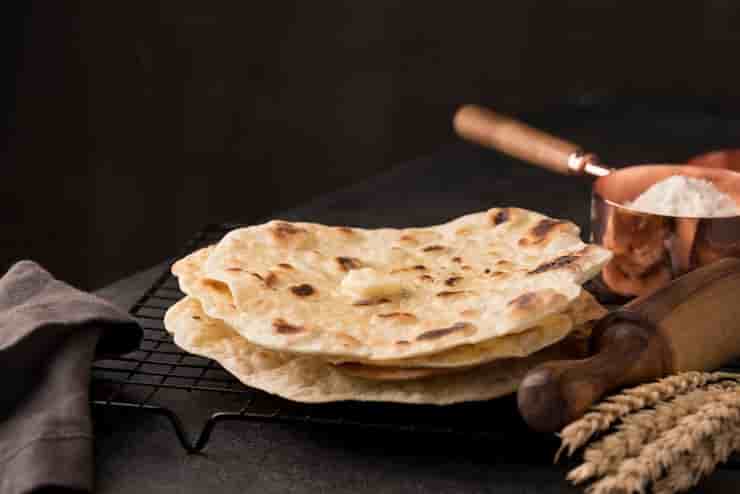
Flat bread recipes refer to the methods and ingredients used to prepare breads that are rolled thin and cooked without heavy rising.
Unlike traditional loaves, flatbreads remain low in thickness and are enjoyed across many cultures for their simplicity, versatility, and comforting taste.
These recipes often rely on basic pantry staples such as flour, water, and salt, making them accessible for home cooks of all skill levels.
Flatbreads can be unleavened or lightly leavened, depending on the style.
Some are cooked on a hot pan or griddle, while others are baked in ovens or over open flames.
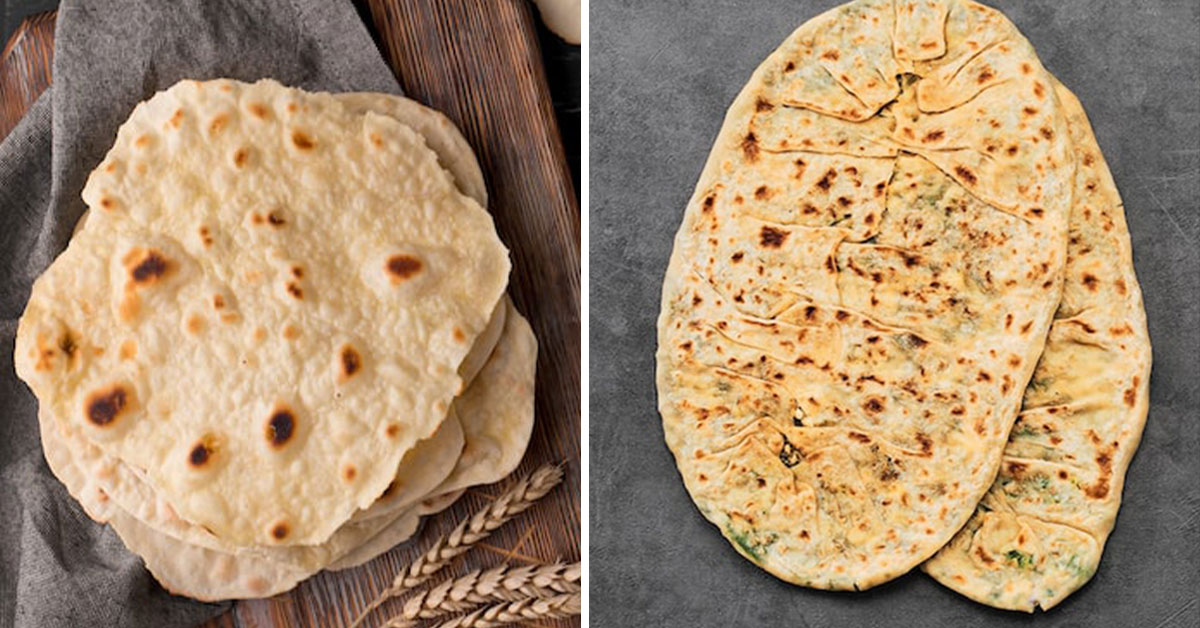
Popular examples include roti, naan, pita, tortillas, and paratha, each offering a unique texture and flavor shaped by regional traditions.
Despite their differences, all flatbread recipes share a common goal: creating a soft, flexible, or lightly crisp bread that pairs beautifully with a wide range of dishes.
What makes flat bread recipes especially appealing is their adaptability.
They can be made plain or enhanced with herbs, spices, seeds, or oils. Flatbreads can serve as a side, a wrap, a base for toppings, or even a quick meal on their own.
Because they require minimal preparation time and simple techniques, flat bread recipes have become a favorite choice for everyday cooking, bringing warmth and tradition to the table with every bite.
Why I Love This Recipe
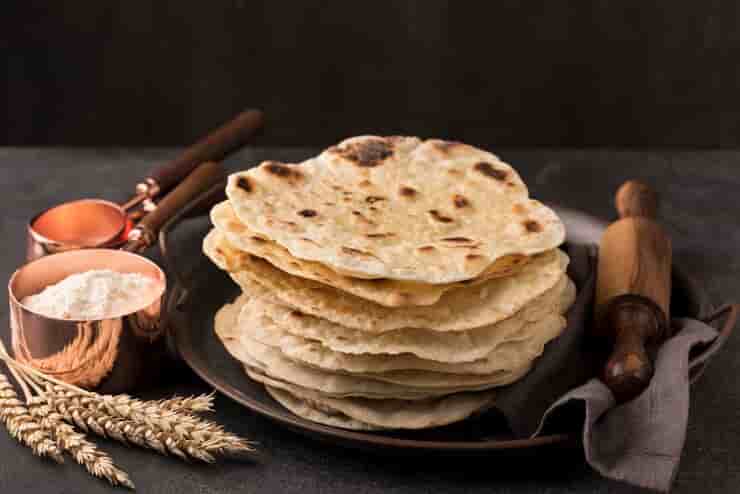
I love this flat bread recipe because it perfectly balances simplicity, flavor, and versatility.
It doesn’t require complicated techniques or hard-to-find ingredients, yet the result is always comforting and satisfying.
Whether I’m cooking for family, guests, or just myself, this recipe fits effortlessly into any meal plan.
The dough comes together quickly, making it ideal for busy days when I still want something homemade and fresh.
Another reason this recipe stands out is how adaptable it is. I can keep it plain for a soft, classic flatbread or customize it with herbs, garlic, or spices for added flavor.
It pairs beautifully with curries, soups, grilled vegetables, or even as a wrap for quick lunches.
The texture is just right soft on the inside with a light golden surface that adds a subtle bite.
What truly makes this recipe special is the consistency. Every time I prepare it, the results are reliable and delicious. There’s also something deeply satisfying about cooking flatbread from scratch, watching it puff and cook on the pan.
It brings a sense of warmth and connection to traditional home cooking. This is the kind of recipe that becomes a regular favorite, one you return to again and again because it never disappoints.
Ingredients for Flat Bread Recipes
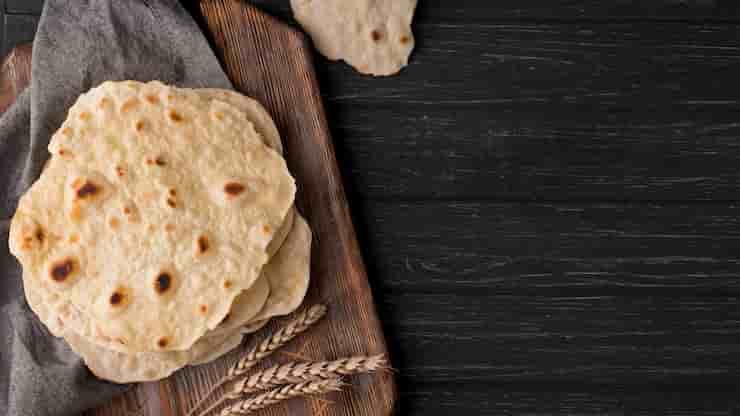
One of the best things about flat bread recipes is how simple and approachable the ingredients are. Most versions rely on everyday pantry staples, making them easy to prepare at any time without special planning.
The foundation of any flatbread starts with flour. This can be all-purpose flour for a soft texture or whole wheat flour for a heartier, more rustic result. Some variations also use alternative flours to suit different preferences.
Water is typically used to bring the dough together, helping create the right consistency for kneading and shaping. In some recipes, milk or yogurt is added to enhance softness and add a mild richness.
Salt is an essential ingredient, as it brings balance and enhances the natural flavor of the bread. A small amount of oil or butter is often included to improve texture and prevent the bread from drying out during cooking.
Depending on the style, a leavening agent such as yeast or baking powder may be used, though many traditional flatbreads are made without any rising agents.
Optional ingredients like herbs, garlic, or seeds can be added for extra flavor.
Together, these simple ingredients create a dough that transforms into warm, delicious flatbread with minimal effort.
How to Make Flat Bread Recipes
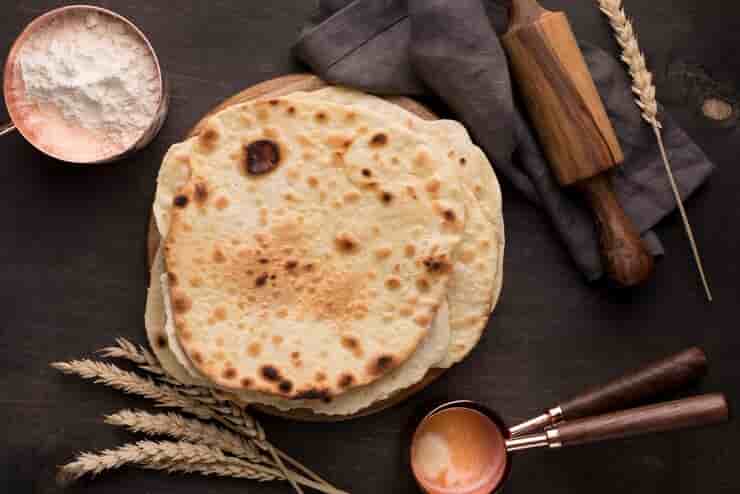
Making flatbread at home is a straightforward process that delivers fresh and flavorful results with minimal effort.
Begin by combining the dry ingredients in a large mixing bowl, ensuring they are evenly mixed before adding any liquids.
Gradually pour in water, milk, or yogurt while mixing until a soft dough forms. The dough should be pliable and slightly elastic, not sticky or overly dry.
Once combined, transfer the dough to a clean surface and knead it for several minutes.
Kneading helps develop structure and creates a smooth texture that cooks evenly.
After kneading, cover the dough and let it rest. This resting time allows the dough to relax, making it easier to roll out and resulting in softer flatbreads.
Divide the rested dough into equal portions and roll each piece into a thin, round shape using a rolling pin.
Heat a pan or griddle over medium heat and place the rolled dough onto the hot surface.
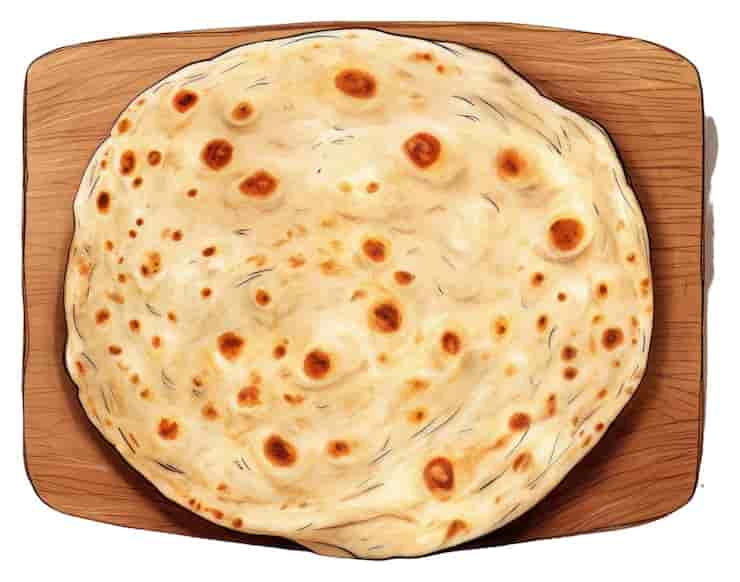
Cook until bubbles form, then flip and cook the other side until light golden spots appear. Remove from heat and keep warm while cooking the remaining pieces.
Serve the flatbreads fresh for the best texture and flavor. This simple method ensures consistently soft, delicious flatbread every time.
Tips for Perfect Flat Bread Recipes

Achieving perfect flatbread comes down to a few simple yet important tips that can greatly improve the final result. Start by measuring your ingredients accurately.
Too much flour can make the dough dry, while too much liquid can cause sticking. The dough should feel soft and smooth, making it easy to roll without tearing.
Allowing the dough to rest is another key step that should never be skipped. Resting relaxes the gluten, which helps the flatbread cook evenly and stay tender.
Even a short resting period can make a noticeable difference in texture.
When rolling out the dough, aim for even thickness to ensure consistent cooking on both sides.
Heat control plays a major role during cooking. The pan or griddle should be hot enough to create light golden spots but not so hot that the bread burns.
Cooking on medium to medium-high heat usually delivers the best results.
Avoid pressing down too hard with a spatula, as this can make the flatbread dense instead of light.
Finally, keep cooked flatbreads covered with a clean cloth to retain moisture and warmth.
Brushing lightly with butter or oil after cooking can add softness and flavor. These small details help create flatbread that is soft, flavorful, and satisfying every time.
Step-by-Step Instructions
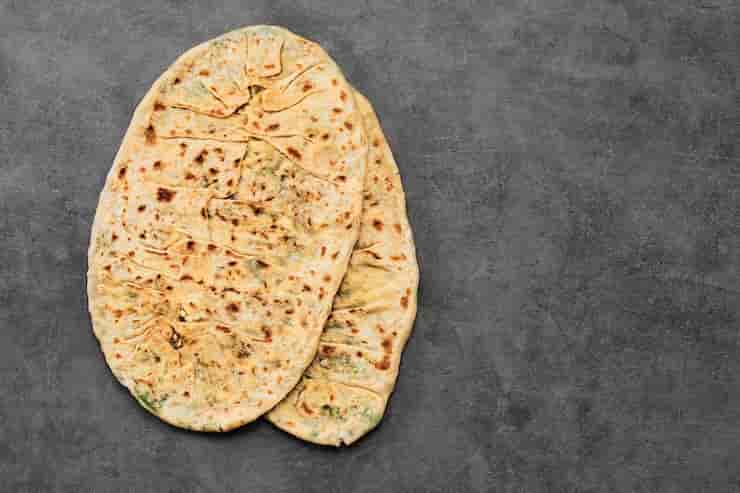
Begin by gathering all your ingredients and setting up a clean workspace. In a large bowl, mix the dry ingredients until well combined. Slowly add the liquid ingredients while stirring, forming a soft dough.
Once the mixture comes together, transfer it to a lightly floured surface and knead until smooth and elastic.
This process helps create a dough that cooks evenly and holds its shape.
After kneading, cover the dough and let it rest.
This resting period allows the dough to relax, making it easier to roll and improving the overall texture of the flatbread.
Once rested, divide the dough into equal portions to ensure uniform cooking.
Roll each portion into a thin, round shape, keeping the thickness consistent.
Heat a pan or griddle over medium heat. Place one rolled flatbread onto the hot surface and cook until bubbles begin to appear.
Flip and cook the other side until light golden spots form. Remove from heat and repeat with the remaining dough portions.
As each flatbread finishes cooking, keep it covered to maintain warmth and softness.
Serve immediately or use as needed for wraps, sides, or toppings. Following these clear steps helps produce flatbread that is soft, flavorful, and consistently well-cooked.
Common Mistakes to Avoid
When making flatbread at home, a few common mistakes can affect the final texture and flavor. One of the most frequent issues is using dough that is too dry.
Adding too much flour during mixing or rolling can result in flatbread that feels tough instead of soft.
Always aim for a smooth, slightly soft dough that is easy to handle.
Skipping the resting time is another mistake that can lead to dense flatbread.
Resting allows the dough to relax, making it easier to roll and helping the bread cook evenly.
Even a short rest can greatly improve the final result. Rolling the dough too thick or too thin can also cause problems. Uneven thickness may lead to undercooked spots or overly crisp areas.
Cooking temperature is equally important. A pan that is too hot can burn the flatbread before it cooks through, while a pan that is not hot enough can make it dry and hard.
Maintaining steady, medium heat helps achieve the best texture.
Pressing down on the flatbread while it cooks is another common error, as it can remove air pockets and make the bread heavy.
Finally, leaving cooked flatbread uncovered can cause it to dry out quickly. Keeping it wrapped or covered ensures it stays warm and soft until serving.
Frequently Asked Questions (FAQs)
Flat bread recipes often raise a few common questions, especially for those making them for the first time. One frequent question is whether flatbread requires yeast. The answer depends on the type of flatbread being prepared.
Many traditional versions are made without yeast, while others include a small amount for added softness and flavor.
Another common concern is how to know when the flatbread is fully cooked.
Visual cues are helpful here. Light golden spots, gentle puffing, and a soft yet set texture usually indicate that the bread is done.
Overcooking can make it dry, so keeping a close eye during cooking is important.
People also often ask if flatbread can be made ahead of time. Flatbread is best enjoyed fresh, but it can be prepared in advance and stored properly.
Wrapping it well helps maintain softness, and reheating on a warm pan restores its texture.
Questions about substitutions are also common. Ingredients like flour type, oil, or dairy can often be adjusted to suit taste or dietary preferences.
Lastly, many wonder if flatbread can be frozen. The answer is yes.
When cooled completely and stored correctly, flatbread freezes well and can be reheated without losing quality.
These answers help make flatbread preparation easier and more enjoyable for everyone.
Admin