
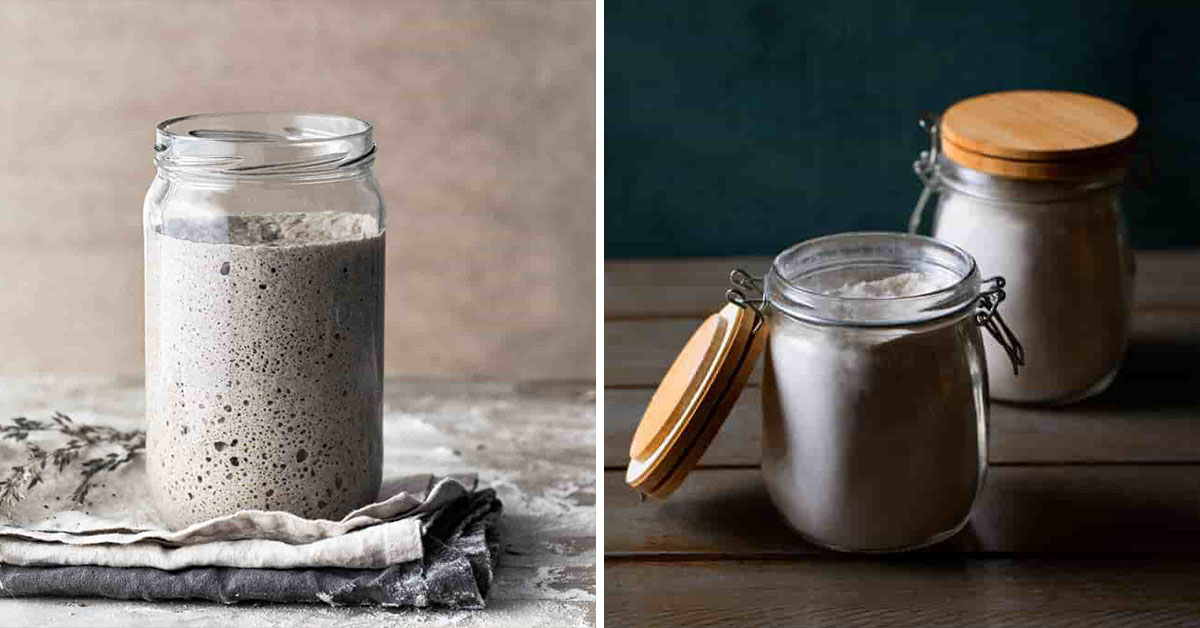
Sour Dough Starter Easy Recipe – No Fuss Method
What Is A Sourdough Starter?
A sourdough starter is a simple mixture of flour and water that grows natural yeast and good bacteria. These natural microbes live in the air and on the flour. When flour and water are mixed and left at room temperature, they begin to ferment.
Over time, the mixture becomes bubbly and active. This living culture is called a sourdough starter.
The starter works as a natural rising agent for bread. Instead of using store bought yeast, bakers use this fermented mixture to help the dough rise.
It also gives sourdough bread its well known tangy flavor and soft texture.
Why You Will Love Sourdough
Sourdough bread is loved by many people because of its rich flavor, soft texture, and simple ingredients.
Unlike regular bread, sourdough is made using a natural starter instead of commercial yeast. This slow process gives the bread a deep taste and a light, airy crumb that many people enjoy.
Another reason people love sourdough is its clean and simple ingredient list. Most sourdough bread is made with just flour, water, and salt.
Because of the natural fermentation, the dough develops a slightly tangy flavor that makes each bite unique and satisfying.
How To Make Sourdough Starter
- Day 1
On the first day, mix 1 cup of flour and 1 cup of filtered water in a bowl or jar. Stir the mixture well until everything is fully combined. Make sure to scrape the sides so no dry flour remains. The mixture should look like a thick batter. Cover the bowl with a clean tea towel or cloth. Place it at room temperature and let it rest for 24 hours. - Day 2
On the second day, remove half of the mixture from the bowl. Then add 1 cup of flour and 1 cup of water to the remaining mixture. Stir well again and cover it with the cloth. Leave it at room temperature for another 24 hours. - Why Remove Half of the Mixture?
Removing half keeps the starter balanced. If you keep adding flour and water without removing some of the mixture, the bowl will quickly become too full. Also, the fresh flour and water help feed the growing natural yeast and good bacteria. Without removing some starter, the mixture would become too large and the yeast would not get enough food to grow properly. - Day 3 to Day 5
Repeat the same steps as day two. Each day, remove half of the starter, then add 1 cup of flour and 1 cup of water. Stir well, cover, and leave it at room temperature. - Day 6 to Day 7
Continue the same process, but now feed the starter every 12 hours instead of once a day. This helps the natural yeast become stronger.
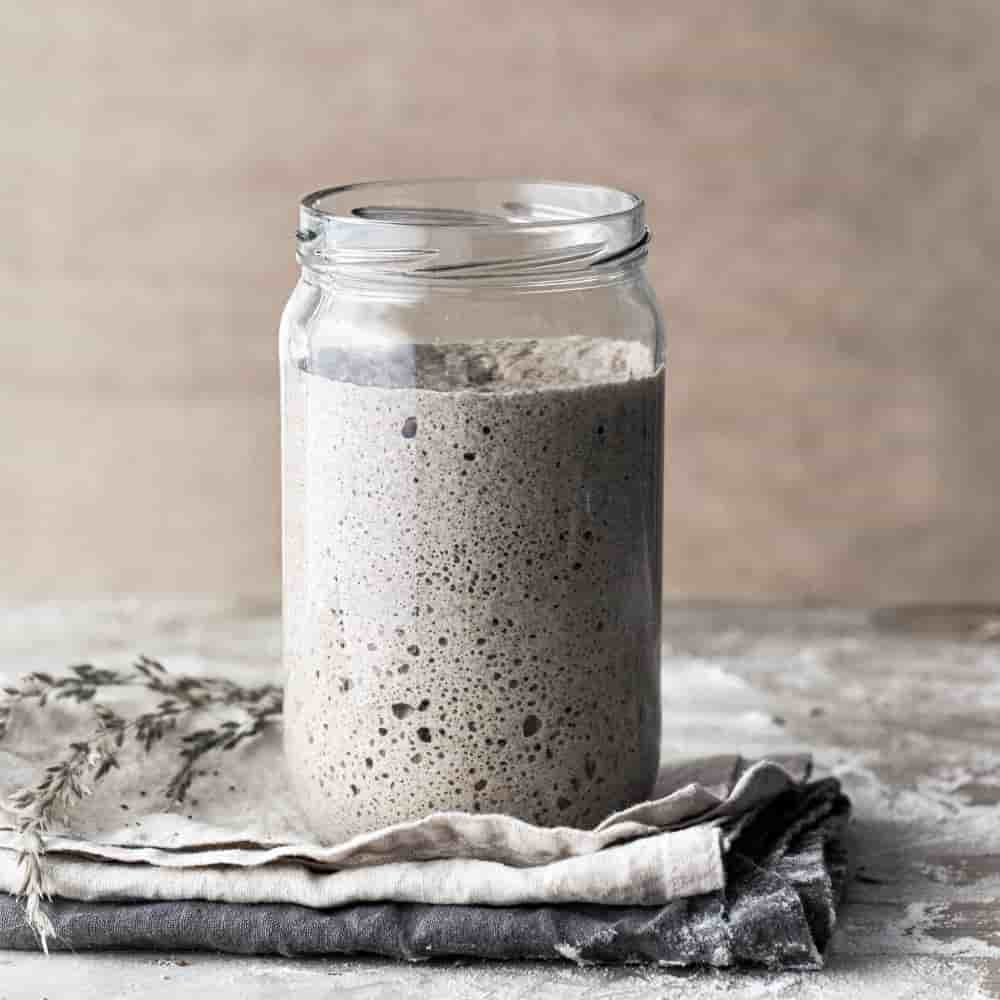
By the end of day seven, the starter should be active enough for baking. You will notice bubbles in the mixture, and it may double in size after feeding. This means your sourdough starter is ready to use for bread, pancakes, and other baked foods.
Sourdough Starter Recipe
Making a sourdough starter is a simple process that uses only flour and water. With a little patience and daily care, natural yeast will develop and create a strong starter that can be used for baking bread. Follow these steps to create your own starter at home.
- 1. Gather Your Ingredients:
Start with basic ingredients. You only need flour and clean water. Many bakers prefer whole wheat flour or unbleached flour because they help the starter grow faster. - 2. Mix Flour and Water:
In a clean glass jar or bowl, mix about 1 cup of flour with ½ cup of water. Stir well until the mixture becomes smooth and thick. The texture should look like a thick batter. - 3. Cover and Rest:
Loosely cover the jar with a lid or cloth. Do not seal it tightly because the starter needs air. Place it at room temperature and let it sit for about 24 hours. - 4. Check for Early Activity:
After the first day, you may see small bubbles or notice a light sour smell. This is a sign that natural fermentation has started. Even if you do not see much activity yet, the process is still working. - 5. Feed the Starter Daily:
Each day, remove about half of the mixture from the jar. Then add fresh flour and water to the remaining starter. A common feeding is about ½ cup flour and ¼ cup water. Stir well each time. - 6. Continue the Feeding Process:
Repeat the feeding step every day. Over time, the starter will become more active. You will notice more bubbles and a stronger sour smell. This means the natural yeast is growing. - 7. Watch for Growth and Bubbles:
A healthy starter will start to rise and fall after feeding. The mixture will look airy and bubbly. This usually happens after about five to seven days. - 8. Test if the Starter Is Ready:
A ready starter should double in size a few hours after feeding. It should smell fresh and slightly sour. At this stage, it is strong enough to help bread dough rise. - 9. Store the Starter Properly:
Once your starter is active, you can keep it at room temperature if you bake often. If you bake less frequently, store it in the refrigerator and feed it weekly to keep it healthy.
Health Benefits
Sourdough bread is not only known for its unique taste but also for several health benefits. Because it is made through natural fermentation, it can offer advantages that regular bread may not provide. Here are some of the key health benefits of sourdough.
- 1. Easier to Digest
Sourdough goes through a slow fermentation process. During this time, natural bacteria help break down parts of the flour. This makes the bread easier for many people to digest compared to regular bread. - 2. May Support Gut Health
The natural fermentation process creates beneficial compounds that may help support a healthy digestive system. These compounds can work with the good bacteria in your gut and support better digestion. - 3. Better Nutrient Absorption
Whole grains contain important nutrients like iron, magnesium, and zinc. During fermentation, sourdough helps break down substances that normally block the body from absorbing these nutrients. As a result, the body may absorb minerals more easily. - 4. Lower Impact on Blood Sugar
Some studies suggest that sourdough bread may cause a slower rise in blood sugar compared to regular white bread. The fermentation process changes how the body digests the carbohydrates, which may help keep blood sugar levels more stable. - 5. Fewer Additives
Many homemade sourdough breads contain only a few simple ingredients such as flour, water, and salt. Because of this, sourdough bread often has fewer additives and preservatives than many store bought breads. - 6. Natural Fermentation Process
Sourdough uses natural yeast instead of commercial yeast. This traditional process allows the dough to rise slowly and develop deeper flavor while also improving the overall quality of the bread. - 7. Rich Flavor with Simple Ingredients
The fermentation process gives sourdough a slightly tangy taste and soft texture. Many people enjoy the rich flavor without needing extra sugar or artificial ingredients. - 8. May Help Reduce Gluten Sensitivity for Some People
The long fermentation process can break down some of the gluten found in wheat. While sourdough is not gluten free, some people find it easier to tolerate compared to regular bread.
Sourdough bread combines traditional baking methods with simple ingredients, making it a popular choice for people who want flavorful bread with potential health benefits.
Sourdough Starter Recipe
Here is a simple sourdough starter recipe that uses only flour and water. With daily feeding and a little patience, you can grow a healthy starter for baking bread at home.
1. Ingredients
- 1 cup flour
- 1 cup filtered water
2. Mix the Starter
Add the flour and water to a clean jar or bowl. Stir well until the mixture becomes smooth and thick with no dry flour left.
3. Cover and Rest
Cover the container with a cloth or loose lid. Place it at room temperature and let it sit for 24 hours.
4. Daily Feeding
Each day, remove half of the mixture. Add fresh flour and water to the remaining starter and stir well.
5. Watch for Bubbles
After a few days, the mixture will start forming bubbles and develop a mild sour smell. This means natural fermentation is happening.
6. Ready to Use
After about 5 to 7 days, the starter should rise and double in size after feeding. At this point, it is ready to use for baking sourdough bread and other recipes.
FAQ
Here are some common questions people ask when making and using a sourdough starter.
- 1. How long does it take to make a sourdough starter?
Most sourdough starters take about 5 to 7 days to become active. During this time, natural yeast and bacteria grow as you feed the mixture daily with flour and water. - 2. What type of flour works best for a starter?
Many people use whole wheat flour or unbleached all purpose flour. Whole wheat flour often helps the starter grow faster because it contains more natural nutrients. - 3. Why does the starter smell sour?
A sour smell is normal. It happens because of natural fermentation. The bacteria and yeast produce mild acids that give sourdough its well known flavor. - 4. What if my starter is not bubbling?
Sometimes a starter takes a little longer to become active. Keep feeding it daily and place it in a warm room. After a few days, bubbles should start to appear. - 5. Can I store the starter in the refrigerator?
Yes. Once the starter becomes strong and active, you can store it in the refrigerator. This slows down fermentation and reduces the need for daily feeding. - 6. How do I know the starter is ready to use?
A healthy starter usually doubles in size after feeding and shows many bubbles. It should also have a fresh sour smell. - 7. Can a sourdough starter last a long time?
Yes. With proper feeding and care, a sourdough starter can last for many years and be used again and again for baking.
Sourdough Starter Maintenance
Taking care of a sourdough starter is simple once it becomes active. Regular feeding and proper storage will keep the starter healthy and ready for baking.
- 1. Feed the Starter Regularly
A sourdough starter needs fresh flour and water to stay active. If you keep it at room temperature, feed it once every day. This helps the natural yeast stay strong. - 2. Store It in the Refrigerator
If you do not bake often, place the starter in the refrigerator. The cooler temperature slows down fermentation and reduces the need for daily feeding. - 3. Feed Before Baking
Before using the starter for bread, feed it a few hours in advance. This allows the starter to become active and bubbly, which helps the dough rise better. - 4. Keep the Container Clean
Always use a clean jar or bowl to store the starter. This helps prevent unwanted bacteria from affecting the mixture. - 5. Watch for Activity
A healthy starter should show bubbles and rise after feeding. If it becomes slow or weak, give it a few extra feedings at room temperature to strengthen it.
Helpful Resources
Learning more about sourdough baking can make the process easier and more enjoyable. Many helpful resources can guide beginners through each step.
- 1. Baking Books
Many baking books explain sourdough methods in simple steps. They often include helpful tips and beginner friendly recipes. - 2. Online Tutorials
Step by step video tutorials can help you see the process clearly. Watching experienced bakers can make it easier to understand each stage. - 3. Baking Communities
Online baking groups and forums allow people to share tips, recipes, and solutions to common problems. - 4. Practice and Patience
The best way to improve is through practice. With time and experience, maintaining a sourdough starter and baking bread becomes easier and more enjoyable.
Meals You Can Make With Sourdough
Sourdough can be used to prepare many tasty meals at home. Some popular recipes include Sourdough Bread, Sourdough Pancakes, Sourdough Pizza Crust, Sourdough English Muffins, and Sourdough Waffles. These dishes use the natural starter to create a rich flavor, soft texture, and a light tangy taste that makes homemade food more enjoyable.
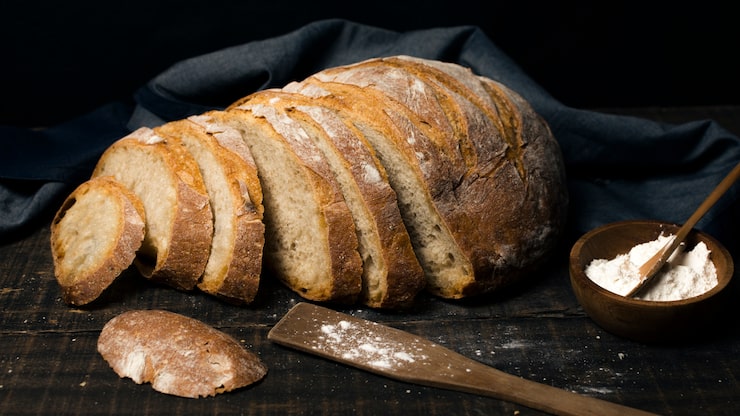
Conclusion
Sourdough starter is a simple and natural way to bake bread and many other tasty foods. With just flour, water, and a little patience, you can create a healthy starter that lasts for years. Once it becomes active, you can use it to make delicious recipes like Sourdough Bread, Sourdough Pancakes, and Sourdough Pizza Crust. By feeding and caring for your starter regularly, you can continue enjoying fresh homemade sourdough and explore many creative baking ideas in your kitchen.
Admin
